
Gonstead Technique Newport Beach
Where this technique fits
- A single spinal level the examination keeps pointing to
- Low back and neck complaints with a clear location
- Cases where a general adjustment has not held
- Patients who want the reasoning explained
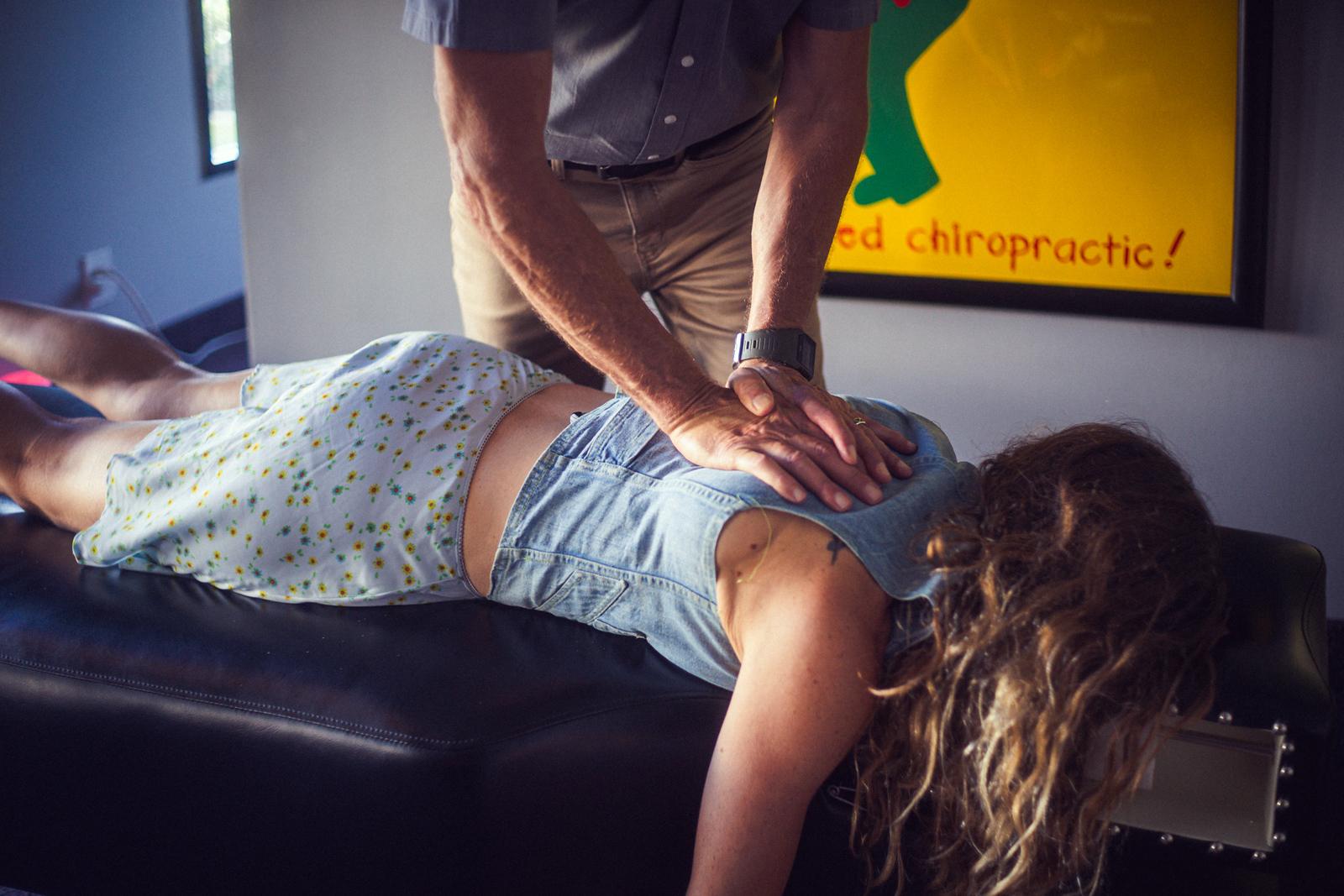
Gonstead is one of the more exacting approaches in chiropractic. It was developed in the 1920s by a Wisconsin chiropractor who came to the field from mechanical engineering, and it shows: the whole method is built on identifying one specific joint and leaving the others alone.
What the Gonstead Technique Newport Beach patients receive involves
Rather than adjusting a whole region of the spine, Gonstead aims at the individual segment the examination has implicated. The contact is specific, the line of drive is worked out in advance, and the adjustment is delivered with the patient positioned so that the force goes where it is meant to and nowhere else.
That precision is the point. A general adjustment across several segments will often move the ones that were already moving fine, which is comfortable but not always useful.
Finding the segment
Four things narrow it down. We watch how you stand and move. We feel the spine at rest, and then again while you bend, which shows which segments have stopped contributing. We use an instrument that reads small temperature differences alongside the spine, since a joint that is irritated tends to change the skin temperature next to it. And where the picture is still unclear, we image.
The examination behind it
The examination for Gonstead Technique Newport Beach patients get here takes longer than a quick palpation, and that is deliberate. The technique is only as good as the analysis in front of it — adjusting the wrong segment precisely is no better than adjusting the right one vaguely.
What it feels like
Most people describe a brief pressure and sometimes an audible release, which is gas moving in the joint rather than anything structural. Soreness afterwards is possible and usually settles within a day, much like the day after unfamiliar exercise.
Who it suits
It suits people with a clearly localised problem — a particular level of the low back or neck that the examination keeps pointing to. It is less appropriate where the picture is diffuse, where bone density is a concern, or where someone simply does not want a manual thrust. In those cases we use a lighter instrument-based method instead, and the plan is no worse for it.