
Stress Treatment Newport Beach
The physical side we treat
- Neck and upper back tension
- Jaw clenching and its effects
- Breathing mechanics and rib movement
- Sleep and activity, discussed practically
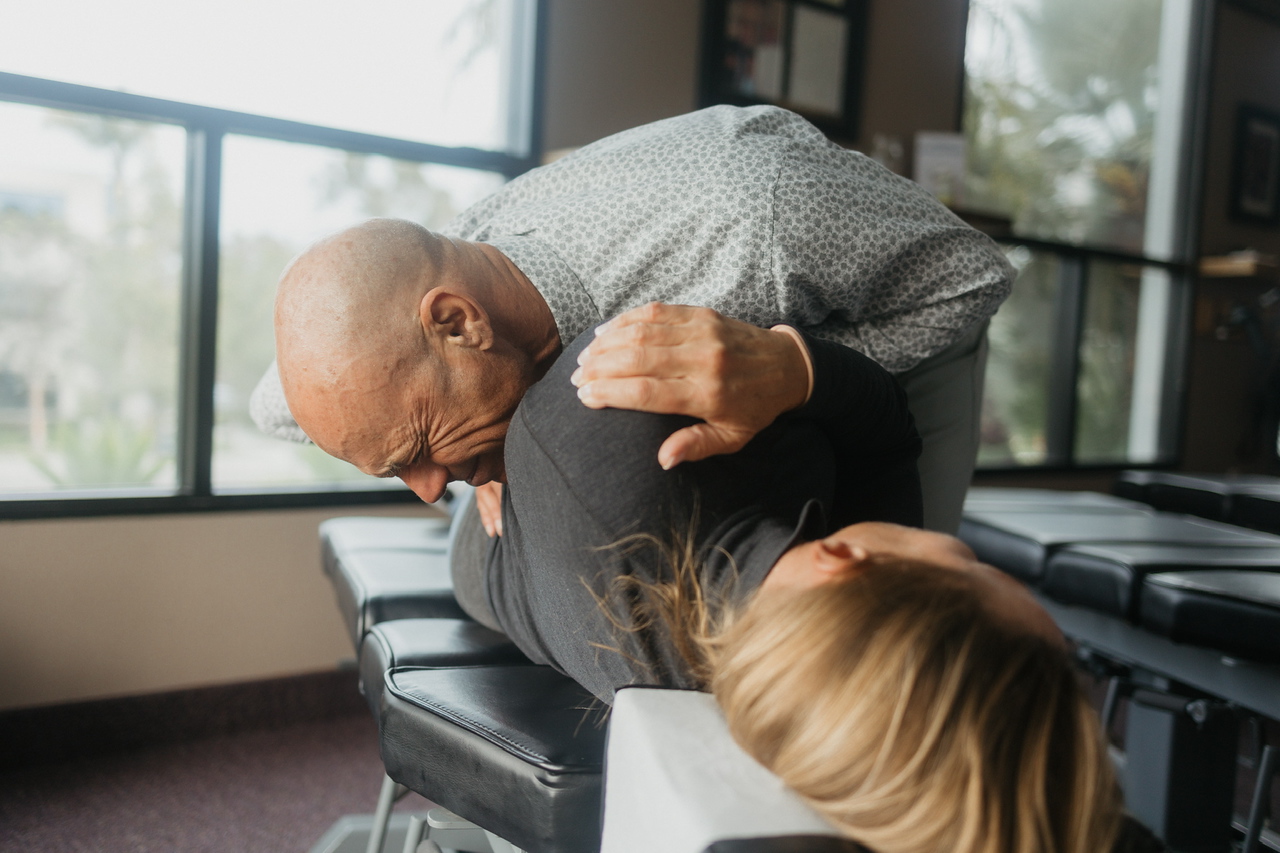
Stress produces genuinely physical effects. Sustained muscle tension across the shoulders and neck, jaw clenching, shallow breathing that stiffens the ribs, and disturbed sleep that reduces how well tissue recovers. Those are mechanical consequences and they are treatable.
What Stress Treatment Newport Beach addresses
The physical part. Stress Treatment Newport Beach patients here get work on the neck, upper back and jaw where tension has become established, attention to breathing mechanics and rib movement, and a conversation about sleep and activity.
The breathing piece
Prolonged stress tends to move breathing high into the chest, which loads the neck muscles continuously and stiffens the mid-back. Restoring rib movement and a lower breathing pattern is unglamorous and makes a noticeable difference to how neck and shoulder tension behaves.
The jaw
Clenching, particularly overnight, is one of the most common physical expressions of stress and one of the most missed. It produces jaw pain, headaches at the temples and worn teeth. We assess it, and it is worth mentioning to your dentist as well.
Where the limits are
We are not mental health practitioners and chiropractic is not a treatment for anxiety or depression. Where stress has tipped into either, that belongs with a physician or a therapist, and we will say so plainly rather than treating the shoulders indefinitely.
What actually helps
Regular movement, sleep, and reducing the load where it can be reduced do more than any manual therapy. We can make you more comfortable and address the tissue changes, and we are honest that the durable improvement usually comes from elsewhere.
Why the tension outlasts the stressful period
Muscle that has been held tight for months does not simply release when the deadline passes. The tissue adapts, movement patterns change around it, and the tension becomes the new resting state. That is why people often present some weeks after the stressful period has ended, puzzled that they feel worse now than they did during it. It is a mechanical problem by that point, and it responds to mechanical treatment.